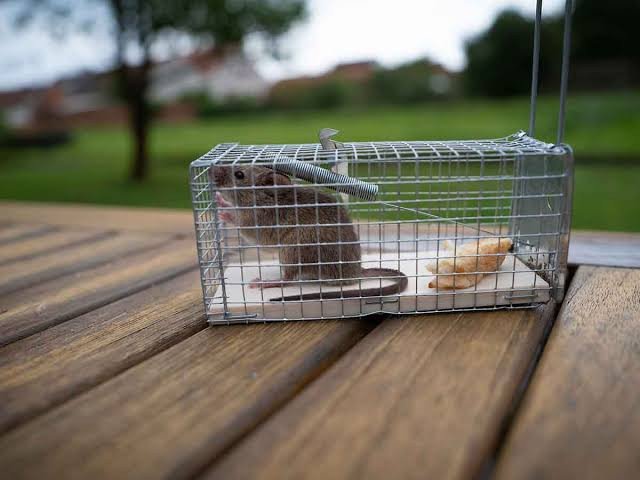
On how to get rid of rodents, the honest way is to trap the ones you have and then seal the house so you do not get more, not to reach for poison, notes Portside Property Management solutions. Snap traps kill instantly and safely, and closing the gaps rodents use plus removing their food and shelter is what keeps them gone. Poison lets a rodent crawl off and die somewhere you find by smell, and it risks pets, wildlife, and children. Health authorities put it plainly: trapping is the best method, and poison is not a good idea.
Below is how to confirm rodents, trap them properly, remove the food and shelter that drew them, and clean up safely.
First, Confirm the Rodent
Rodents leave clear evidence, and identifying them tells you how to respond. Mouse droppings are small, about a quarter of an inch, and oval; roof rat droppings are about half an inch with pointed ends; Norway rat droppings are larger, about three-quarters of an inch with blunt ends. Beyond droppings, look for nesting material, dark chewing debris, food gnawed in cupboards, burrows in the soil, and the sounds of activity in walls, ceilings, or under the floor.
Rats and mice seek food, warmth, and shelter, reproduce fast, and damage more than they eat, since they chew wires, books, and storage, and leave urine and droppings that carry disease, which is why the provincial health guidance on getting rid of rodents takes them seriously. Confirming the sign and the species is the first step, because control leans on trapping and sealing either way.
Trap First, Not Poison
The trap-first rule comes straight from health guidance: the best way to get rid of rats or mice is by using traps, and poison or baits are not recommended. Poison lets a rodent crawl away and die in a hidden space, where the body is hard to find and the odor lingers, and it can accidentally harm pets, wild animals, or children who find it. A properly set snap trap kills quickly and lets you dispose of the rodent cleanly.
If a rodenticide is ever the only practical option, treat it as the careful exception: pre-feed unpoisoned food in the area for a few days so the rodent takes the bait, read and follow the label exactly, set it only where children and pets cannot reach, and remove dead rodents promptly, then remove all bait stations once control is done. For almost every home rodent problem, a trap is the safer and more effective tool.
Set Snap Traps the Right Way
A few placement habits dramatically improve a snap trap. Bait three traps in a row without setting them, using dried fruit, peanut butter mixed with oats, or cheese, so the rodent gets used to feeding at that spot. Then set the traps at a right angle to the wall where the rodents travel, bait side toward the wall, with the bait fixed firmly on the trigger. This way a rodent moving along the wall hits the trigger naturally rather than bumping a trap set the wrong way.
Place traps where the droppings appear, along baseboards behind appliances and near cupboards, and check them daily. When you catch a rodent, wear gloves to handle the trap and the body, double-bag it, seal the bag, and dispose of it according to local rules. Disinfect the trap before reusing it, and reset until no rodent appears.
The Permanent Fix: Seal Them Out
Trapping removes the rodents you have, but a house with food, water, and entry points will eventually get more, so the permanent fix is prevention. Deny food and water first: keep trash in sealed, pest-proof containers, do not leave compost scraps or fallen fruit uncovered, remove pet food overnight, and fix any dripping pipes. Then clear harborage, trimming vegetation six to eight inches off the ground, removing wood piles and old sheds near the house, and storing firewood on racks. Finally, rodent-proof the building, covering crawl-space and attic vents with a fine metal screen and sealing any opening wider than about a quarter of an inch, since a mouse fits through a surprisingly small crack.
That seal-and-clean loop is what actually ends a rodent problem rather than pausing it. Remove the source, take away the food and shelter, and close the gaps, and the population has nothing to build on, which is the closest thing to a permanent fix.
Myths: Smell, “Hate,” and Instant Kills
Three common beliefs about rodents deserve an honest check. No smell reliably gets rid of rodents; claims that peppermint or another scent drives out an established population are not a proven removal method. There is no scent that reliably repels them enough to clear an infestation. What kills rodents quickly, the fastest real option, is the snap trap, and it is also the safe one, while poison works slowly and risks harm. And “overnight,” like “permanent,” overpromises: a snap trap removes individual rodents fast, but a real infestation ends only when you seal and clean, which takes more than one night.
Clean Up Safely, and When to Call a Pro
Cleaning up after rodents has to be done without stirring up dust, because their droppings can carry disease. Ventilate the enclosed area for about half an hour, then dampen the space with a household disinfectant, or a one-part-bleach-to-ten-parts-water mix poured, not sprayed, over the area before you clean. Wipe up droppings and nesting with a paper towel into a plastic bag, do not sweep or vacuum them, and double-bag and seal the waste. Wear a well-fitting filter mask, rubber gloves, and goggles while cleaning, and wash your hands thoroughly after. If you were bitten or exposed and develop symptoms, seek medical attention.
If trapping and sealing do not control the problem, or an infestation is large or persistent, contact a licensed pest-control company with certified staff. They can seal the building professionally and handle the population you cannot reach, as the health guidance on mice also notes is the wise step when the problem escapes a DIY approach.
Rodent Removal: Straight Answers
The questions below cover the fast answers people look for most when a rodent problem shows up, from what actually kills to whether a smell can help.
What kills rodents quickly?
A properly set snap trap is the fastest and safest way to kill a rodent, killing it instantly on the spot. Poison works only slowly and risks pets, wildlife, and children, so trapping is the quick and safe choice.
What do rodents hate most?
There is no smell or substance rodents reliably hate enough to remove an infestation. Peppermint and other scent claims are not a proven removal method. Trapping, sealing entry points, and removing food are what actually work.
How do I get rid of rodents permanently?
Permanently means trapping the current population, then sealing every entry point wider than about a quarter of an inch and removing their food, water, and shelter so they cannot return. For a large or persistent infestation, a licensed professional is the lasting fix.
What smell gets rid of rodents?
No smell reliably gets rid of rodents. Scent-based remedies are not a proven way to clear an infestation, so time and money are better spent on traps and sealing the house than on a scent that cannot keep rodents out.
Can I get rid of rats overnight?
A rat caught by a snap trap is removed overnight, but a whole population is not cleared in one night. Ending an infestation takes trapping plus sealing entry points and removing food and shelter, a process of days, not a single overnight cure.
The rodent problem ends with a trap and a seal, not a can of poison. Set traps properly to remove the rodents you have, then close the gaps and remove the food and shelter so no more come in, and clean any affected area without stirring up dust. Trap first, seal next, and the mice and rats stay gone.
