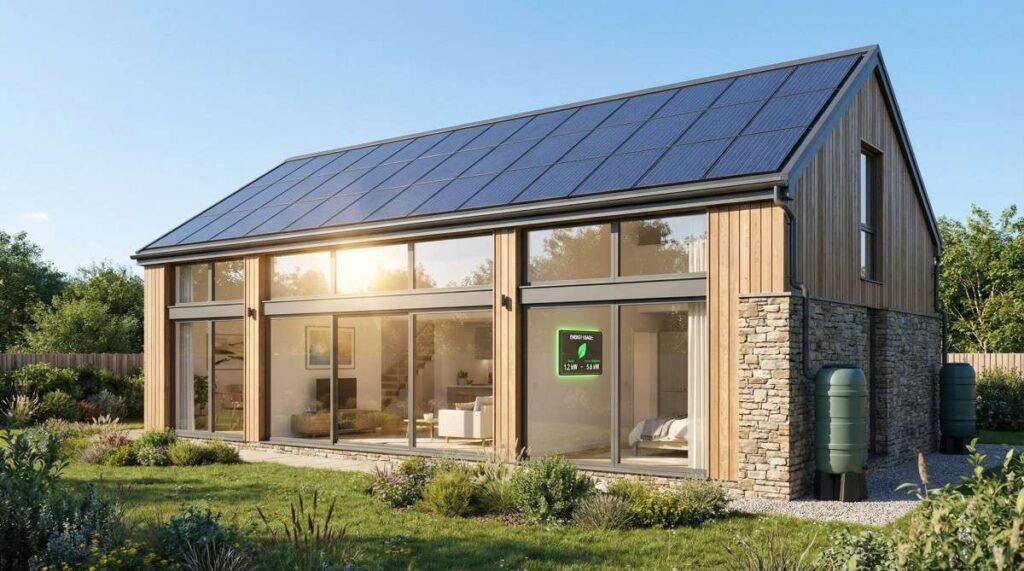
The orientation of a house, often overlooked during construction or purchase, plays a significant role in its energy consumption says Keyrenter Gilbert, a leading property management Tempe AZ company. From maximizing natural light and passive solar heating to minimizing unwanted heat gain, a home’s position relative to the sun can dramatically influence heating and cooling costs. Understanding these dynamics is crucial for homeowners and property managers aiming to create more sustainable and cost-effective living spaces. This article delves into how different house orientations affect energy bills and offers insights into optimizing your home’s energy performance.
Understanding Passive Solar Design Principles
Passive solar design is a fundamental concept in energy-efficient architecture, leveraging the sun’s energy for heating and lighting without mechanical systems. The core principle involves orienting a building to maximize solar gain during colder months and minimize it during warmer months. This is primarily achieved through strategic placement of windows, thermal mass, and shading elements. For instance, south-facing windows in the Northern Hemisphere are ideal for capturing winter sun, which can significantly reduce heating loads. The sun’s path varies throughout the year, being lower in the sky during winter and higher in summer, a phenomenon passive solar design exploits to its advantage.
Effective passive solar design goes beyond just window placement. It also incorporates materials with high thermal mass, such as concrete floors or brick walls, to absorb and store solar heat during the day and release it slowly at night. Overhangs and shading devices are equally important to block high-angle summer sun while allowing lower-angle winter sun to penetrate. The goal is to create a comfortable indoor environment with minimal reliance on active heating and cooling systems, thereby directly impacting energy bills. A well-designed passive solar home can see substantial reductions in energy consumption, contributing to both environmental sustainability and financial savings.
North-Facing Homes: Challenges and Solutions
North-facing homes in the Northern Hemisphere receive minimal direct sunlight throughout the day, leading to cooler interiors, especially in winter. This lack of solar gain can result in higher heating costs as the HVAC system works harder to maintain comfortable temperatures. While some might view this as a disadvantage, it can be beneficial in hot climates where minimizing heat gain is a priority. However, for most regions, the challenge lies in mitigating the cold and dampness that can permeate north-facing rooms. Strategic insulation and draft sealing become paramount to counteract the constant heat loss.
To address the energy challenges of a north-facing orientation, several solutions can be implemented. Maximizing insulation in walls, roofs, and floors is crucial to retain heat. Double or triple-glazed windows with low-emissivity coatings can further reduce heat transfer. Incorporating light-colored interior finishes can help reflect available light, making rooms feel brighter and less cavernous. Additionally, landscaping with deciduous trees on the north side can provide a windbreak in winter, further reducing heat loss. While a north-facing home may require more proactive design choices, it can still achieve a high level of energy efficiency with careful planning.
South-Facing Homes: Maximizing Solar Gain
South-facing homes are often considered the most desirable in the Northern Hemisphere due to their optimal exposure to the sun. They receive abundant natural light and passive solar heating, particularly during the winter months when the sun is lower in the sky. This can significantly reduce the need for artificial lighting and heating, leading to substantial savings on energy bills. The consistent solar gain helps to keep interiors warm and bright, creating a more comfortable and inviting living environment. However, this advantage can turn into a disadvantage during summer if not properly managed.
To harness the benefits of a south-facing orientation while mitigating summer overheating, effective shading strategies are essential. Extended eaves, awnings, pergolas, and deciduous trees can block the high-angle summer sun, preventing excessive heat gain, while still allowing the lower-angle winter sun to penetrate. High-performance windows with spectrally selective coatings can also help filter out unwanted heat. Incorporating thermal mass within the home, such as concrete slabs or masonry walls, can absorb excess heat during the day and release it as temperatures drop, further regulating indoor temperatures. With thoughtful design, a south-facing home can be a beacon of energy efficiency.
East and West-Facing Homes: Managing Morning and Afternoon Sun
East and west-facing homes present unique challenges and opportunities regarding energy efficiency. East-facing properties receive direct morning sun, which can be pleasant in cooler climates, providing natural warmth and light to start the day. However, in hotter regions, this morning sun can quickly lead to overheating, especially in bedrooms. Conversely, west-facing homes are exposed to intense afternoon and evening sun, which can cause significant heat gain and glare, making cooling more challenging and increasing reliance on air conditioning. Both orientations require careful consideration of window placement and shading.
Managing the solar exposure for east and west-facing homes involves specific design interventions. For east-facing windows, external shading like awnings or vertical fins can effectively block the morning sun. For west-facing windows, robust external shading, such as deep overhangs, pergolas, or mature evergreen trees, is crucial to mitigate the harsh afternoon sun. High-performance glazing with low-emissivity coatings is also highly recommended for these orientations. Interior blinds and curtains can offer additional protection, but external shading is generally more effective at preventing heat from entering the building in the first place. Balancing light and heat gain is key to optimizing energy performance in these homes.
The Role of Climate and Regional Differences
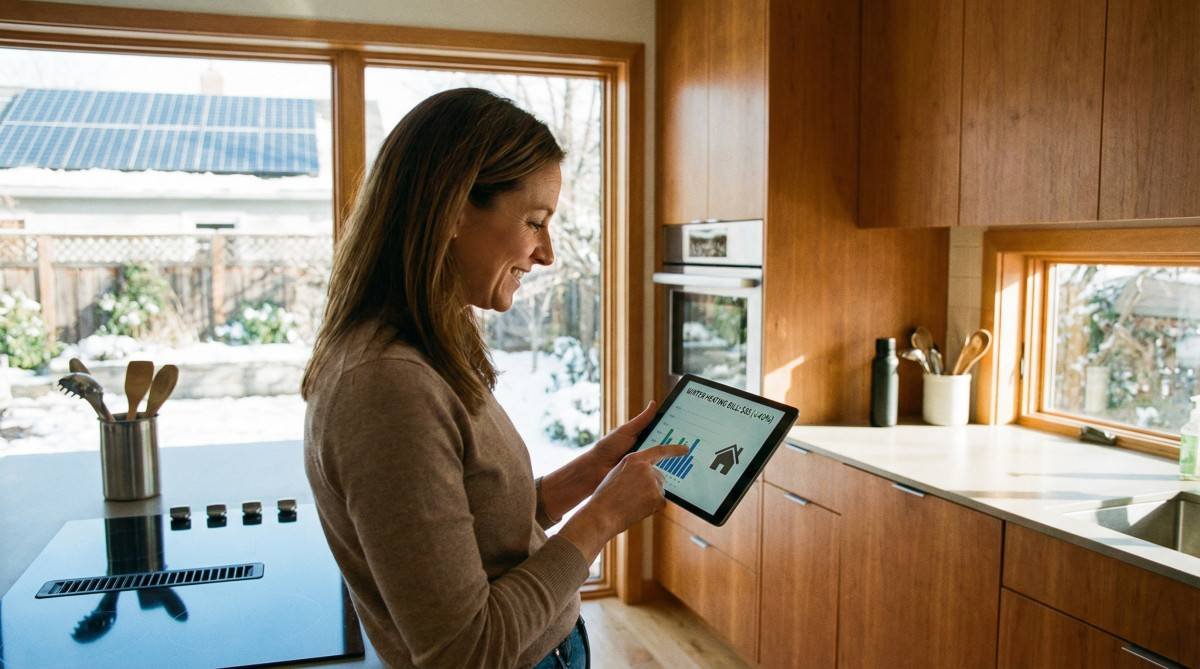
The optimal house orientation is not a universal constant; it is heavily dependent on the local climate and regional differences. In cold climates, maximizing passive solar gain through south-facing windows is highly beneficial for reducing heating costs. In contrast, in hot climates, the priority shifts to minimizing solar heat gain, making orientations that reduce direct sun exposure, such as north-facing, potentially more advantageous, or requiring extensive shading for south-facing facades. Tropical climates, for instance, often prioritize cross-ventilation and shading over direct solar gain.
Regional building codes and architectural traditions often reflect these climatic considerations. For example, homes in arid regions might feature smaller windows and thicker walls to minimize heat transfer, while those in temperate zones might incorporate larger windows for natural light. Understanding your specific climate zone and its unique solar patterns is paramount when designing or renovating a home for energy efficiency. Consulting with local architects or energy consultants can provide tailored advice, ensuring that the house orientation and design elements are optimized for the specific environmental conditions, ultimately leading to significant long-term energy savings.
| Orientation | Winter Solar Gain | Summer Solar Gain | Typical Energy Impact | Design Considerations |
|---|---|---|---|---|
| North | Low | Low | Higher heating costs (cold climates) | Maximize insulation, minimize windows, windbreaks |
| South | High | High (manageable with shading) | Lower heating costs, potential for summer cooling (if not shaded) | Strategic shading (overhangs, awnings), thermal mass |
| East | Moderate (morning) | Moderate (morning) | Morning heat gain, potential for cooling needs | Morning shading (vertical fins, awnings) |
| West | Moderate (afternoon) | High (afternoon) | Significant afternoon heat gain, higher cooling costs | Robust afternoon shading (deep overhangs, trees) |
FAQ
Is a south-facing house always better for energy efficiency?
While south-facing homes are excellent for passive solar heating in winter, they can lead to significant overheating in summer if not properly shaded. The design must incorporate effective shading strategies to prevent excessive heat gain during warmer months, making it a nuanced advantage depending on climate and design.
How does window placement affect energy bills?
Window placement is critical. South-facing windows are ideal for maximizing winter solar gain, reducing heating needs. North-facing windows minimize heat gain but can lead to higher heating costs in cold climates. East and west-facing windows require careful shading to manage morning and afternoon sun, respectively, to prevent overheating and reduce cooling loads.
Can landscaping help with house orientation energy efficiency?
Absolutely. Deciduous trees planted on the south side can provide shade in summer and allow sunlight through in winter. Evergreen trees on the north side can act as windbreaks, reducing heat loss. Strategic landscaping can significantly enhance the energy performance of a home, complementing its orientation.
What is thermal mass and why is it important?
Thermal mass refers to a material’s ability to absorb, store, and release heat. Materials like concrete, brick, and stone have high thermal mass. In passive solar design, thermal mass absorbs solar heat during the day and releases it slowly at night, helping to stabilize indoor temperatures and reduce the need for active heating or cooling systems.
Should I consider house orientation when buying a home?
Yes, house orientation is a crucial factor to consider, especially if energy efficiency is a priority. Understanding how a home’s orientation interacts with the local climate can give you insights into potential heating and cooling costs. While modifications can be made, a well-oriented home from the start can offer long-term energy savings and improved comfort.
The orientation of a house is a foundational element in its energy performance, directly influencing heating, cooling, and lighting requirements. By understanding the principles of passive solar design and considering the unique characteristics of each cardinal direction, homeowners and property managers can make informed decisions that lead to significant energy savings and enhanced indoor comfort. Whether building new or renovating an existing property, optimizing for orientation, coupled with effective shading, insulation, and thermal mass strategies, is a powerful step towards a more sustainable and cost-efficient home. Investing in these considerations not only benefits your wallet but also contributes to a greener future.
