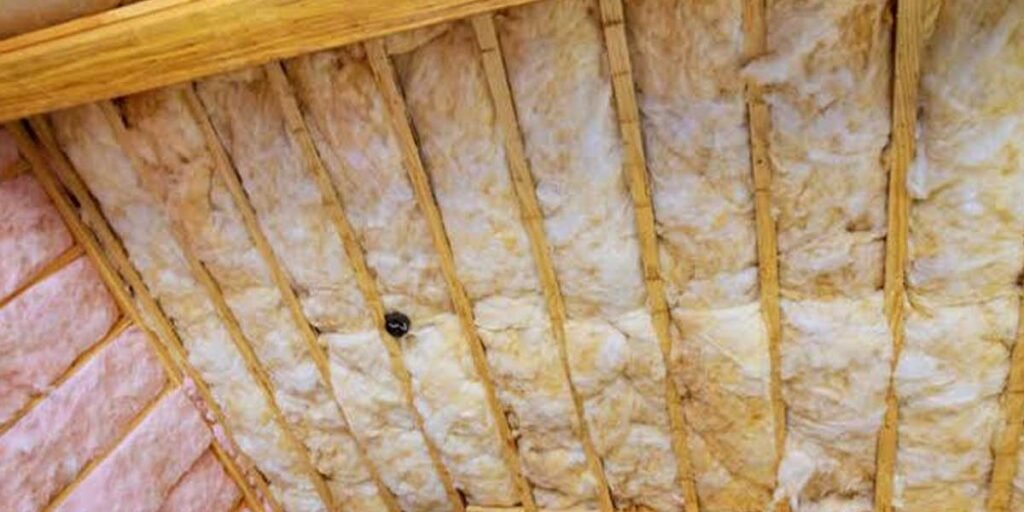
The main types of attic insulation split into five groups, fiberglass batt, loose-fill cellulose or fiberglass, open-cell spray foam, closed-cell spray foam, and rigid foam board, and each one fits a different attic, climate, air-seal need, and budget. Fiberglass batt is the affordable, standard-framing pick; loose-fill fills irregular spaces; and spray foam air-seals as it insulates at a higher installed cost, says Rent Prosper solutions. Across US climates the right R-value differs by region and local code, so no single type is best everywhere.
Written as a selection overview, the comparison below puts each attic insulation type across the conditions that matter, use case, climate, durability, upkeep, installed cost, and failure risks.
It closes with a checklist for different homeowner profiles. If you are deciding which material to install, the follow-through on the best attic insulation for homes page turns that choice into a concrete pick.
The attic insulation types and what each is for
Batt and loose-fill are the workhorse options for a vented attic floor, spray foam is the air-sealing choice for a finished or unvented space, and rigid board suits roof-plane and thin applications. Learn to recognize each type so you can tell what is already in your attic and what a quote is proposing.
Fiberglass batt arrives in pre-cut sections that sit between attic joists, cheap and easy in clean framing. Loose-fill, blown in as cellulose or fiberglass, packs irregular spaces and gaps. Open-cell spray foam expands to seal and insulate, and closed-cell foam also resists moisture with the highest R per inch. Rigid foam board is a fitted panel for roof slopes and thin spots. The R-value you need depends on your climate zone and local code, so confirm that number for your area rather than assuming a national target.
Attic insulation types compared by use case
Match the type to the job: batt for a simple vented floor, loose-fill for irregular atics, open-cell foam where an air seal is the priority, closed-cell foam for moisture-prone or finished spaces, and rigid board for the roof plane. The matrix below maps each type against the conditions a buyer actually weighs.
| Type | Best fit | Air seal | Moisture | Upkeep | Cost factor | Main failure |
|---|---|---|---|---|---|---|
| Fiberglass batt | Simple, vented attic floor | Poor unless sealed | Traps moisture if wet | Low; gaps common | Cheap material + labor | Gaps, compression, drafts |
| Loose-fill (cellulose) | Irregular atics, gaps | Fair | Absorbs water, must stay dry | Low; settles and can shift | Blown-in equipment + material | Settling, moisture when wet |
| Open-cell spray foam | Air-seal priority | Excellent | Lets vapor move | Low | Rises with coverage | Cost, needs HVAC coordination |
| Closed-cell spray foam | Cold / finished / moisture-prone | Excellent | Acts as barrier | Low | Highest per inch | Highest cost, cure off-gassing |
| Rigid foam board | Roof plane, thin assets | Good when taped | Vapor-retardant | Low | Board + labor | Gaps at seams if untaped |
R-value figures vary by brand and thickness, but common planning ranges help you compare: fiberglass batt runs about R-2.9 to R-3.8 per inch, and loose-fill about R-2.2 to R-2.7 per inch, both depending on density and how well they are installed. A compressed or gapped batt loses a large share of its rating, so installation quality moves the numbers more than the sheet value.
How each attic insulation type fails and what upkeep they need
Every type has a predictable weak point, gaps and compression in batt, settling and moisture in loose-fill, cost and cure behavior in foam, and seam gaps in rigid board.
Most of these show up as a cold room or a higher bill before you spot them, and a few minutes of inspection catches most of the cheap fixes.
- Fiberglass batt fails through gaps at the framing and compression, so seat each section fully and level, and top up where thin.
- Loose-fill settles over time (cutting up to about 10-15 percent of its R-value) and can shift in airflow, and cellulose must stay dry because it absorbs water.
- Open-cell foam lets vapor move and needs a coordinated indoor humidity strategy in some climates.
- Closed-cell foam is low-maintenance but costs the most and can off-gas during the cure.
- Rigid board fails only at seams and edges when not taped, so tape every joint.
Check the attic depth and look for dark or damp spots before a top-up, and keep an eye on the air seal where walls meet the ceiling. These checks take minutes and separate a well-installed type from one that only looked right on paper.
Choosing between attic insulation types, by homeowner profile
Pick the type that fits your conditions: a budget-minded vented-attic owner takes loose-fill or batt, a cold-climate homeowner wants a high-R air-sealed system, a low-upkeep owner avoids settling materials, and a moisture-prone or finished attic favors closed-cell foam or rigid board.
- Budget-focused, vented attic: loose-fill cellulose or fiberglass, or fiberglass batt between joists.
- Cold climate, high bills: thick loose-fill or closed-cell foam with a tight air seal, per your zone’s R-value.
- Hot, humid climate: open- or closed-cell foam to air-seal and manage moisture.
- Low-upkeep priority: spray foam over loose-fill, since it does not settle.
- Finished or habitable attic: closed-cell foam or rigid board at the roof plane.
- DIY-minded: fiberglass batt in clean framing; leave spray foam and dense loose-fill to pros.
Whichever type fits, a current U.S. federal tax credit eases part of the cost: ENERGY STAR notes that credits cover up to 30 percent of insulation cost, capped at $1,200, and air-sealing products may qualify too, per the ENERGY STAR certified insulation overview. Size the attic, pick the type by use case, and get an itemized quote before you spend.
Questions homeowners ask about attic insulation types
What is the most common attic insulation type?
Fiberglass batt and loose-fill (cellulose or fiberglass) are the most common residential attic insulations because they suit standard vented attics cheaply. Spray foam is growing but costs more per square foot.
What type of insulation is no longer used?
Older, now-outdated materials such as loose vermiculite, urea-formaldehyde foam, and asbestos-containing insulation are no longer used in new work and can be a hazard if present. Have any suspicious older insulation tested rather than disturbed.
Which attic insulation has the most effective R-value?
Closed-cell spray foam and rigid polyiso board carry the highest R-value per inch of the common options and both can act as a vapor or air barrier. They cost the most, so the right choice depends on your climate and air-seal need.
How much does it cost to insulate a 2500 sq ft attic?
Cost scales with material, depth, and whether you air-seal, so a 2,500-square-foot attic quote varies widely by type and region. Loose-fill is the cheapest per square foot and closed-cell foam the most expensive; get an itemized quote for your area.
Once you have narrowed the type, the profile checklist on the best attic insulation for homes guide turns that choice into the specific material for your house.
The types of attic insulation, and the one that fits
Choose the type that fits the climate, the air-seal need, and the moisture risk, then confirm the install quality.
A well-sealed type beats a premium one left with gaps; match material to conditions first, then the brand and the R-value settle into place.
Measure the attic, decide whether it is vented or finished, and let the climate set the type. Confirm your zone’s R-value and get a quote that itemizes the material and the air-seal work.
