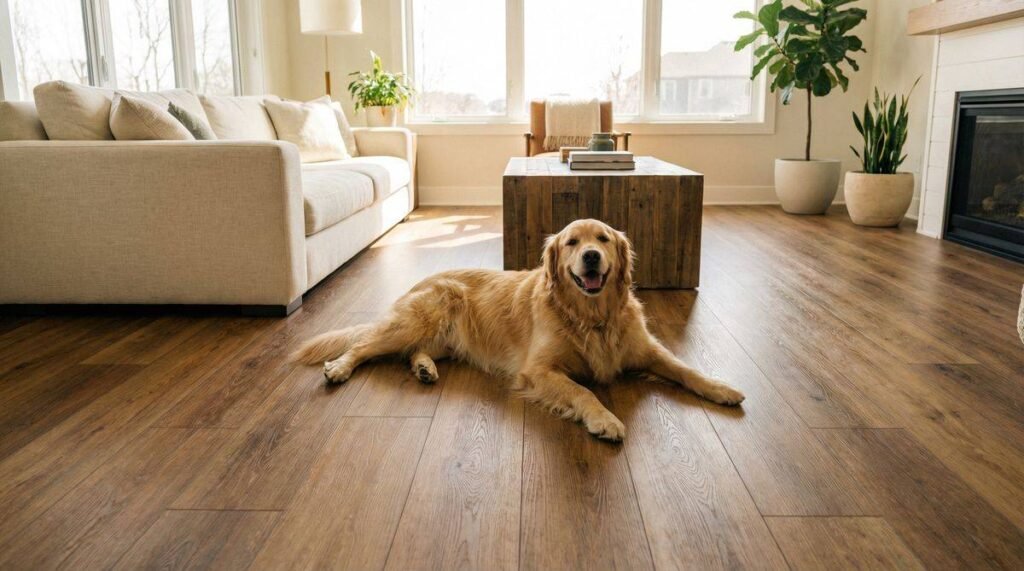
KRS Holdings Richmond Management notes that dog-friendly flooring prioritizes scratch resistance, water/stain resilience, and adequate traction for durability and pet safety. The ideal solution balances these factors, offering a surface that withstands daily pet wear, is easy to clean, and comfortable. Understanding these core characteristics is key to selecting the perfect flooring.
Understanding the Paw-Print: What Makes Flooring Dog-Friendly?
Dog-friendly flooring prioritizes scratch resistance, water/stain resilience, and adequate traction for durability and pet safety. The ideal solution balances these factors, offering a surface that withstands daily pet wear, is easy to clean, and comfortable. Understanding these core characteristics is key to selecting the perfect flooring.
Scratch Resistance: The Janka Scale and Beyond
For dog claws, the Janka hardness scale is crucial for wood and wood-like materials. Higher numbers mean greater hardness and better resistance to dents and scratches. Pet owners should select woods with high Janka ratings, like Brazilian Cherry or Hickory. Advanced finishes, such as aluminum oxide, also significantly enhance scratch resistance, often outperforming naturally hard woods with inferior coatings.
Water and Stain Resilience
Pets inevitably introduce moisture and potential stains. Thus, superior water and stain resilience is non-negotiable for dog-friendly flooring. Materials like luxury vinyl plank (LVP), ceramic/porcelain tile, and waterproof laminate repel liquids, preventing subfloor seepage and lasting damage. Non-porous surfaces or protective wear layers make cleanup effortless, ensuring spills are quickly wiped away. Excellent moisture resistance safeguards your home from pet-related mishaps.
Traction and Comfort for Paws
Beyond durability, your canine companion’s well-being depends on the traction and comfort provided by your flooring. Smooth, slippery surfaces pose risks, especially for energetic puppies or older dogs with mobility issues. Flooring with slight texture, a matte finish, or subtle grout lines offers better grip. Cushioning materials, such as cork or resilient vinyl, are gentler on joints. Balancing robust protection with pet comfort ensures a safe and inviting environment.
Top Contenders: A Deep Dive into Scratch-Resistant Flooring Options
Effective flooring options for homes with dogs include Luxury Vinyl Plank (LVP), durable laminate, resilient tile, engineered hardwood, bamboo, cork, and pet-friendly carpet tiles. These materials offer unique benefits in scratch resistance, water resilience, and comfort, meeting the rigorous demands of pet ownership without compromising style or functionality.
Luxury Vinyl Plank (LVP) and Sheet Vinyl
LVP and sheet vinyl are practical and cost-effective for pet owners due to exceptional waterproof properties, robust scratch resistance, and easy maintenance. LVP mimics natural wood or stone, offering a stylish yet durable surface. Its multi-layer construction includes a resilient wear layer against scratches and a waterproof core. Sheet vinyl provides a seamless, waterproof barrier. Both are comfortable, offer good traction, and are easy to clean, ideal for busy households.
Durable Laminate Flooring
Modern laminate flooring offers affordability, aesthetic versatility, and superior scratch resistance, making it a strong contender for homes with dogs. Advancements have made laminate highly durable, often featuring aluminum oxide wear layers for excellent claw protection. Many contemporary versions are water-resistant or waterproof, mitigating pet accident concerns. Its ability to replicate hardwood or tile, combined with robust construction, makes laminate a smart choice for performance and budget.
Resilient Tile and Stone
Ceramic and porcelain tile, along with natural stone, offer unparalleled durability, scratch resistance, and waterproof capabilities, making them exceptionally resilient choices for pet-friendly homes. These materials are virtually impervious to scratches and can withstand significant wear. Their non-porous surfaces are inherently waterproof and stain-resistant, allowing for effortless cleanup. While hard and cold, this can be remedied with soft rugs. The longevity and minimal maintenance make tile and stone a wise long-term investment.
Engineered Hardwood: The Smart Wood Choice
Engineered hardwood provides the classic beauty of real wood with enhanced stability and durability, making it a more pet-friendly alternative to solid hardwood. Unlike solid wood, engineered planks are less prone to warping from humidity or moisture. For dogs, select engineered hardwood with a thick wear layer and a factory-applied, scratch-resistant finish (e.g., aluminum oxide). While not entirely scratch-proof, it offers a warm aesthetic and is more forgiving than traditional hardwood.
Eco-Friendly Bamboo and Cork
Eco-friendly options like strand-woven bamboo and cork offer unique benefits for pet owners, combining sustainability with impressive durability and comfort. Strand-woven bamboo is exceptionally hard, often surpassing traditional hardwoods in scratch and dent resistance. Cork flooring is naturally antimicrobial, resistant to mold, and offers a soft, cushioned surface gentle on pets’ joints. Both are renewable resources. While bamboo needs careful selection for quality and low VOCs, and cork requires sealing for water resistance, these options blend pet-friendliness, comfort, and ecological responsibility.
Pet-Friendly Carpet and Carpet Tiles
Modern pet-friendly carpets and carpet tiles offer solutions with enhanced stain resistance, waterproof backing, and easy replacement options, addressing traditional carpet challenges. Contemporary technologies feature stain and odor-resistant fibers and waterproof barriers. Carpet provides a soft, warm, non-slip surface, beneficial for older dogs or those with mobility issues. Carpet tiles allow easy replacement of damaged sections. These specialized options offer carpet comfort without typical pet-related maintenance headaches.
Choosing Your Perfect Match: A Comparative Overview
Selecting ideal pet-friendly flooring involves weighing scratch resistance, water resilience, comfort, maintenance, cost, and traction. Each type has unique advantages and disadvantages. A direct comparison helps align choices with your lifestyle and dog’s needs, enabling you to identify the best fit for your home and furry family members.
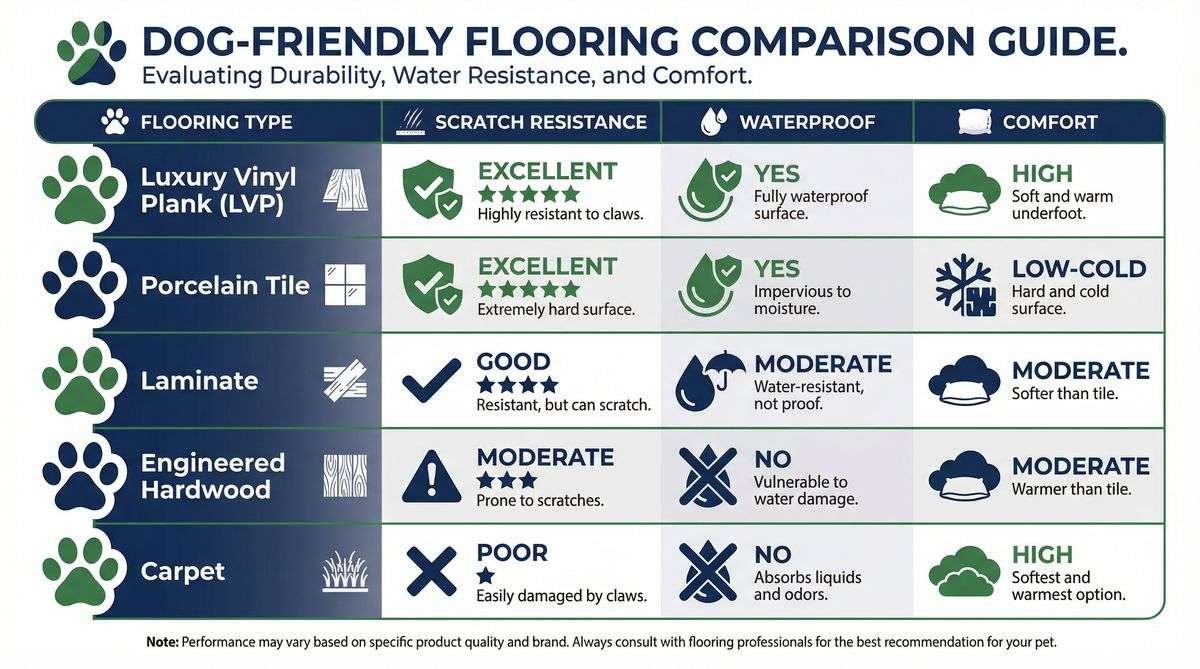
| Feature | Luxury Vinyl Plank (LVP) | Laminate Flooring | Ceramic/Porcelain Tile | Engineered Hardwood | Strand-Woven Bamboo | Cork Flooring | Pet-Friendly Carpet Tiles |
|---|---|---|---|---|---|---|---|
| Scratch Resistance | High | High | Very High | Moderate to High | Very High | Moderate | Low to Moderate |
| Water Resistance | Very High (Waterproof) | High (Water-resistant) | Very High (Waterproof) | Moderate | Moderate | Moderate (Needs Sealing) | High (Waterproof Backing) |
| Comfort for Paws | Good | Moderate | Low (Hard/Cold) | Moderate | Moderate | High (Cushioned) | Very High (Soft) |
| Maintenance | Easy | Easy | Easy | Moderate | Moderate | Moderate | Moderate (Spot Replace) |
| Cost (Installation) | Moderate | Low to Moderate | High | High | Moderate to High | Moderate to High | Moderate |
| Traction | Good | Moderate (Can be slippery) | Good (Can be slippery) | Moderate (Can be slippery) | Good | Good | Very High |
| Durability | High | High | Very High | High | Very High | Moderate | Moderate |
Beyond the Basics: Long-Term Care and Prevention
Effective long-term care and preventative measures are crucial for preserving pet-friendly flooring’s integrity and appearance. Beyond material choice, proactive maintenance—including regular pet grooming and immediate spill attention—significantly extends lifespan. Implementing these strategies ensures your investment provides a beautiful, functional environment for years.
Proactive Measures: Nail Trimming and Paw Cleaning
Regular nail trimming and diligent paw cleaning are among the most effective proactive measures pet owners can take to prevent scratches and reduce dirt accumulation on their floors. Long, sharp claws are a primary culprit for scratches, especially on softer flooring types. Keeping your dog’s nails trimmed to an appropriate length minimizes their abrasive impact. Furthermore, wiping your dog’s paws after outdoor excursions dramatically reduces tracked dirt, preventing surface grime and abrasive damage. These simple yet consistent habits form the first line of defense.
Cleaning Up Accidents: Best Practices
Prompt and proper cleaning of pet accidents is paramount to prevent stains, odors, and potential damage to pet-friendly flooring. Even water-resistant floors can be compromised if liquids sit too long. Best practice involves immediate blotting (not rubbing) of the affected area. Follow with a pet-specific enzymatic cleaner to break down organic matter and neutralize odors. Always test cleaning products in an inconspicuous area first. Quick action and appropriate cleaning agents are key to preserving your floor’s appearance and hygiene.
Protecting Against Digging and Chewing
Addressing natural dog behaviors like digging and chewing requires behavioral training, appropriate diversions, and strategic use of protective barriers to safeguard your flooring. While no floor is entirely immune, providing designated chew toys, sufficient exercise, and reinforcing positive behaviors can significantly reduce destructive tendencies. For vulnerable areas, consider durable mats or rugs. Temporary barriers or pet-safe deterrent sprays offer additional protection. Managing these instincts is vital for a harmonious home and intact flooring.
Ensuring Pet Safety: Beyond Scratch Resistance
Ensuring pet safety extends beyond scratch resistance, encompassing avoiding harmful chemicals and providing slip-resistant solutions. A truly pet-friendly home prioritizes pet health and comfort through conscious material and maintenance choices, adapting living spaces for pets with special needs, creating a secure foundation.
Avoiding Harmful Chemicals and VOCs
To protect pets from health hazards, avoid flooring materials and cleaning products releasing harmful chemicals, like high Volatile Organic Compounds (VOCs). Many conventional flooring and adhesives off-gas VOCs, contributing to respiratory issues for humans and animals. Opt for low-VOC or VOC-free flooring (e.g., certified vinyl, laminate, cork, bamboo) for healthier indoor air quality. Choose pet-safe, non-toxic cleaning solutions to prevent chemical exposure, as pets often contact floor surfaces and may ingest residues. Prioritizing non-toxic choices ensures a safer living environment.
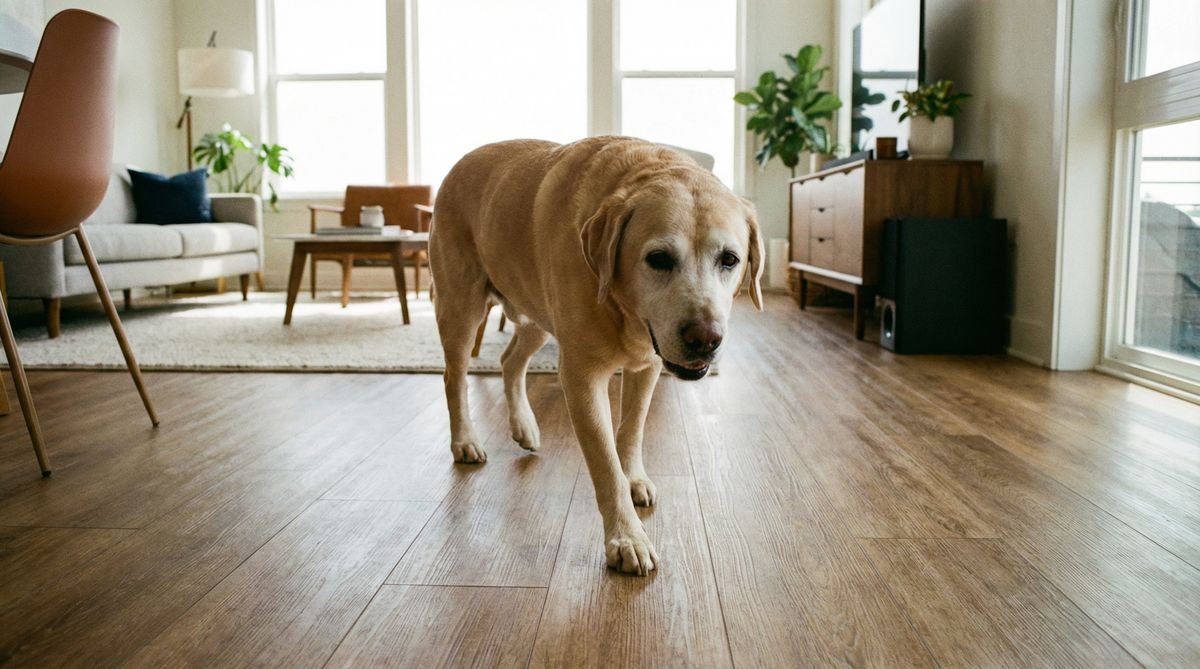
Slip-Resistant Solutions for Senior Dogs
For senior dogs or those with orthopedic conditions, slip-resistant flooring is vital to prevent injuries, improve mobility, and enhance quality of life. As dogs age, reduced muscle strength or conditions like arthritis make smooth floors challenging. Textured flooring (LVP, tile with wider grout lines, pet-friendly carpets) provides traction. Strategically placed non-slip rugs or runners in high-traffic areas offer immediate relief and support. These adaptations help senior dogs navigate with greater confidence, reducing painful slips and falls.
Frequently Asked Questions (FAQ)
What is the most scratch-resistant flooring for dogs?
The most scratch-resistant flooring options for dogs are typically ceramic or porcelain tile and strand-woven bamboo, followed closely by high-quality luxury vinyl plank (LVP) and laminate with robust wear layers. Tile and stone are inherently hard and non-porous, making them extremely difficult to scratch. Strand-woven bamboo is engineered to be exceptionally dense, often outperforming many hardwoods. Modern LVPs and laminates feature advanced wear layers designed to withstand significant abrasion from pet claws, offering excellent scratch protection in a more resilient format than traditional wood.
What flooring works best for pet accidents?
For pet accidents, waterproof flooring options such as luxury vinyl plank (LVP), sheet vinyl, and ceramic or porcelain tile are best due to their impermeability and ease of cleaning. These materials prevent liquids from soaking into the subfloor, which can cause odors, stains, and structural damage. Their non-porous surfaces allow for quick and complete cleanup, ensuring hygiene and preventing lasting marks. Even water-resistant laminates with extended moisture protection can be effective if spills are addressed promptly, but fully waterproof materials offer the highest level of protection against pet accidents.
Is engineered hardwood environmentally friendly?
Engineered hardwood can be considered more environmentally friendly than solid hardwood in some aspects, particularly when sourced responsibly and manufactured with low-VOC adhesives. It uses less of the slow-growing hardwood species for its top veneer, making more efficient use of timber resources. Additionally, many engineered hardwood products are now available with certifications for sustainable forestry and low chemical emissions, contributing to better indoor air quality. However, the environmental impact can vary significantly based on manufacturing processes, the type of adhesive used, and the origin of the materials, so it’s important to look for reputable brands with relevant certifications.
How often should pet-friendly floors be cleaned?
Pet-friendly floors should be cleaned regularly, ideally daily for light maintenance and weekly for a more thorough cleaning, to manage pet hair, dander, and minor spills effectively. High-traffic areas and homes with multiple pets may require more frequent attention. Promptly addressing any pet accidents or significant spills is crucial, regardless of the regular cleaning schedule, to prevent stains and odors. The specific cleaning frequency will depend on the type of flooring, the number of pets, and their activity levels, but consistent cleaning is key to maintaining a hygienic and attractive home environment.
Can scratches in wood floors be repaired easily?
The ease of repairing scratches in wood floors depends on the depth of the scratch and the type of wood flooring. Minor surface scratches on engineered hardwood with a thick wear layer or certain solid hardwoods can often be buffed out or concealed with touch-up kits. Deeper scratches, however, may require more extensive repair, such as sanding and refinishing, which is more feasible with solid hardwood that can be refinished multiple times. Engineered hardwood with a thin wear layer may have limited refinishing capabilities. For very deep gouges, individual planks might need replacement. Regular maintenance and protective measures are always preferable to extensive repairs.
Conclusion
Choosing the best flooring for dogs that won’t scratch is a critical decision for any pet owner, balancing the desire for a beautiful home with the practical realities of living with furry companions. As this guide has explored, a variety of excellent options exist, each offering unique strengths in terms of scratch resistance, water resilience, comfort, and ease of maintenance. From the robust durability of luxury vinyl plank and tile to the natural appeal of engineered hardwood and eco-friendly bamboo, and even specialized pet-friendly carpets, homeowners have more choices than ever to create a harmonious environment. By understanding the key characteristics of each material, implementing proactive care measures, and prioritizing pet safety, you can select flooring that not only withstands the test of paws but also enhances the comfort and well-being of your beloved dogs for years to come. Investing in the right flooring is an investment in both your home’s longevity and your pet’s happiness.
