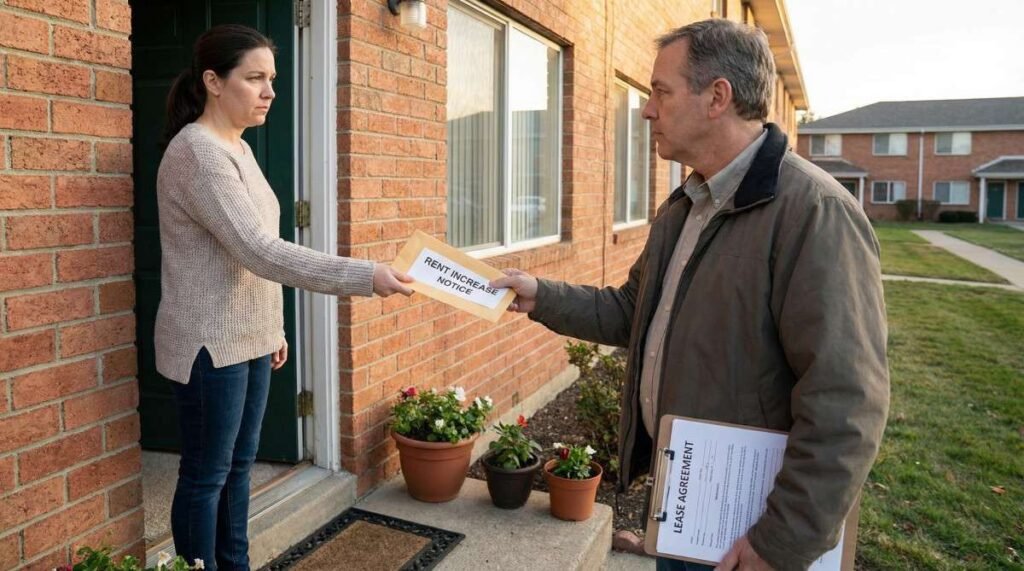
For both landlords and tenants, understanding the regulations surrounding rent increases is crucial for maintaining a fair and stable housing market, explains Elite Property Management professionals. The question of “how often can a landlord raise rent” is not straightforward, as the answer varies significantly across different jurisdictions within the United States. Unlike many other aspects of tenancy, there are no overarching federal laws that dictate the frequency or amount of rent increases. Instead, these critical aspects are governed by a complex patchwork of state and local statutes, often influenced by factors such as the type of property, the age of the building, and whether the area has enacted rent control measures. This guide aims to demystify these regulations, providing clarity on the general principles, common notice requirements, and specific state-level variations that impact when and how much a landlord can adjust rental rates. Navigating these rules effectively ensures compliance for landlords and empowers tenants to understand their rights, fostering transparency and preventing disputes in rental agreements.
Federal vs. State and Local Regulations
A common misconception is that federal law dictates rent increase policies. In reality, the federal government does not impose rent control or limits on how often landlords can raise rent. This responsibility falls entirely to individual states and, in some cases, local municipalities. This decentralized approach leads to significant variations across the country, making it imperative for landlords and tenants to be aware of the specific laws in their jurisdiction. While there are no federal caps, certain federal housing programs may have their own rules regarding rent adjustments for participating properties. However, for the vast majority of private rental units, state and local laws are the primary determinants.
Understanding Rent Control and Stabilization
Rent control and rent stabilization are terms often used interchangeably, but they can have distinct meanings depending on the jurisdiction. Rent control typically refers to stricter regulations that limit the amount landlords can charge for rent and how much they can increase it. These laws are often found in older, larger cities and may apply to properties built before a certain date. Rent stabilization, on the other hand, generally allows for annual rent increases tied to an economic index, such as the Consumer Price Index (CPI), or a fixed percentage. Both aim to protect tenants from excessive rent hikes and maintain housing affordability, but their scope and impact differ. It’s important to note that many states have laws that preempt, or forbid, local governments from enacting their own rent control measures.

Notice Requirements for Rent Increases
Regardless of whether a state has rent control or not, nearly all jurisdictions require landlords to provide tenants with advance written notice before implementing a rent increase. The length of this notice period can vary significantly. For month-to-month tenancies, a 30-day notice is common, but some states may require 60 or even 90 days, especially for larger increases. For tenants on a fixed-term lease, landlords generally cannot increase the rent until the lease term expires, unless the lease agreement specifically allows for it. It is crucial for landlords to adhere strictly to these notice requirements, as failure to do so can invalidate the rent increase and lead to legal disputes. Tenants should also be aware of these timelines to understand their rights and options.
State-Specific Rent Increase Regulations: A Comparison
To illustrate the diversity of rent increase laws across the United States, let’s examine a few key states. This comparison highlights the importance of checking local regulations, as even within states, city-specific ordinances can add further layers of complexity.
| State | Rent Control/Stabilization | General Rent Increase Limits | Notice Period (Month-to-Month) |
|---|---|---|---|
| California | Yes (Statewide rent stabilization, local rent control in some cities) | Limited to 5% + local CPI, capped at 10% annually (for covered properties) | 30 days for increases ≤ 10%; 60 days for increases > 10% |
| Texas | No (State law preempts local rent control) | No statewide limits; market-driven | Typically 30 days |
| Oregon | Yes (Statewide rent stabilization) | Limited to 7% + CPI (annual cap announced by state) | 90 days |
| Florida | No (State law preempts local rent control) | No statewide limits; market-driven | 15 days for month-to-month; 30-60 days for annual leases (varies by lease term) |
| New York | Yes (Statewide rent stabilization, local rent control in NYC and some other municipalities) | Varies significantly by location and property type; set by Rent Guidelines Board in NYC | 30, 60, or 90 days depending on tenancy length and increase amount |
Factors Influencing Rent Increases
Several factors can influence a landlord’s decision to raise rent and the amount of the increase. These include rising property taxes, increased operating costs (such as insurance, maintenance, and utilities), inflation, and market demand. In areas with high demand and low vacancy rates, landlords may be more inclined to raise rents to align with market values. Conversely, in areas with an abundance of rental properties or declining demand, rent increases may be more modest or even nonexistent. Landlords often conduct market research to determine competitive rental rates, balancing the need to cover their expenses and generate a reasonable return on investment with the desire to retain good tenants.
Tenant Rights and Options
Tenants are not without recourse when faced with a rent increase. Their primary right is to receive proper notice as mandated by state and local laws. If a landlord fails to provide adequate notice, the rent increase may be invalid. Tenants can also negotiate with their landlords, especially if they are long-term tenants with a good payment history. In rent-controlled or rent-stabilized areas, tenants have the right to challenge increases that exceed legal limits. If a tenant believes a rent increase is retaliatory or discriminatory, they may have legal grounds to dispute it. Consulting with a tenant rights organization or legal aid can provide valuable guidance on specific situations and available options.
Frequently Asked Questions About Rent Increases
Q: Are there any federal laws limiting how much a landlord can raise rent?
A: No, there are no federal laws that limit how much or how often a landlord can raise rent. Rent increase regulations are determined at the state and local levels, leading to significant variations across the United States.
Q: What is the typical notice period a landlord must give before raising rent?
A: The typical notice period varies by state and lease type. For month-to-month tenancies, 30 days’ notice is common, but some states require 60 or even 90 days. For fixed-term leases, rent generally cannot be increased until the lease term ends, unless specified in the lease agreement.
Q: Can a landlord raise rent during an active lease agreement?
A: Generally, no. A landlord cannot raise rent during an active fixed-term lease agreement unless there is a specific clause in the lease that permits such an increase. Once the lease term expires, the landlord can propose a rent increase for the new lease period, provided proper notice is given.
Q: What is the difference between rent control and rent stabilization?
A: Rent control typically refers to stricter regulations that cap the amount landlords can charge for rent and limit increases. Rent stabilization generally allows for annual rent increases tied to an economic index or a fixed percentage, aiming to prevent excessive hikes while allowing for some adjustments. The specific definitions and applications vary by jurisdiction.
Q: What should a tenant do if they receive an illegal rent increase notice?
A: If a tenant believes they have received an illegal rent increase notice (e.g., insufficient notice, increase exceeds legal limits in a rent-controlled area, or it’s retaliatory), they should first review their lease and local tenant laws. They can then communicate with their landlord, seek advice from a tenant rights organization, or consult with a legal aid service to understand their options and potentially dispute the increase.
Conclusion
The landscape of rent increase regulations in the United States is complex and highly localized. There is no single federal standard, meaning that the frequency and amount by which a landlord can raise rent are governed by a mosaic of state and municipal laws. For landlords, understanding these specific regulations is paramount to ensure legal compliance, avoid disputes, and maintain positive tenant relationships. Providing proper notice, adhering to any applicable rent control or stabilization limits, and understanding the economic factors that justify an increase are all critical components of responsible property management. For tenants, being informed about their rights and the laws in their area empowers them to navigate rent adjustments confidently, negotiate effectively, and seek assistance if an increase appears unlawful. Ultimately, a clear understanding of these rules by all parties fosters a more transparent, equitable, and stable rental housing environment.
