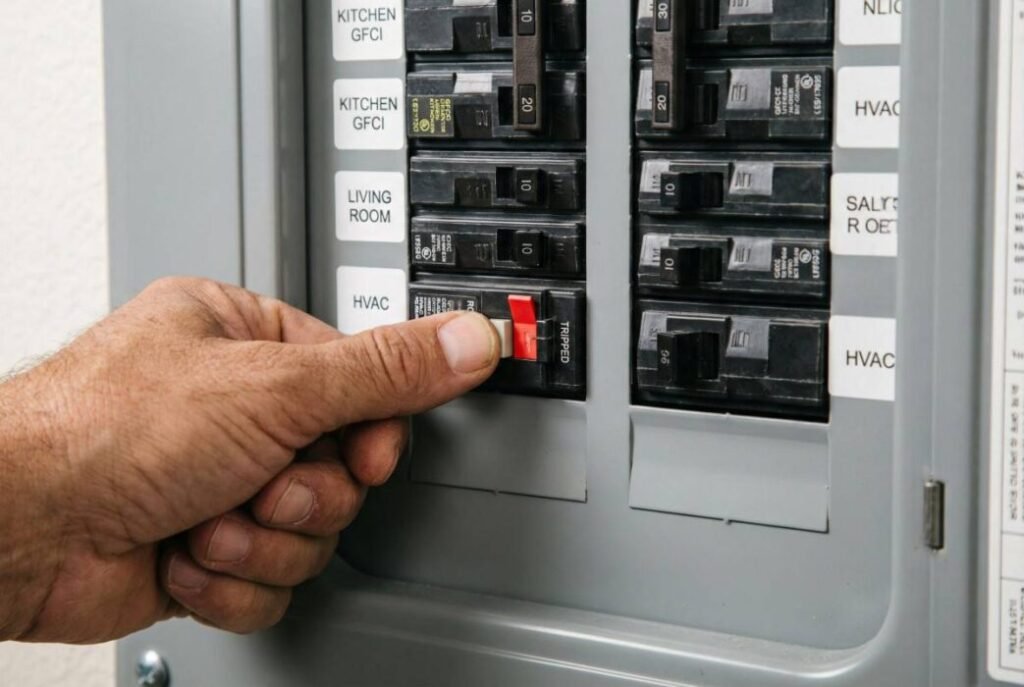
A circuit breaker tripping repeatedly indicates an underlying electrical issue within a home’s wiring system, often stemming from an overload, a short circuit, or a ground fault, each requiring specific attention to ensure safety and restore proper function.
When a circuit breaker trips, it acts as a crucial safety mechanism, interrupting the flow of electricity to prevent damage to wiring, appliances, and, most importantly, to protect occupants from electrical hazards like fires or shocks. Ignoring these repeated trips can lead to more severe problems, making it essential to identify and address the root cause promptly warns Harper Property Management team.
Circuit Overload
When too many electrical devices draw more current than a circuit is designed to handle, it leads to an overload, causing the circuit breaker to trip as a safety measure to prevent overheating and potential fire hazards.
A circuit overload is the most common reason for a breaker to trip. It occurs when the total amperage drawn by all connected devices exceeds the circuit’s capacity. For instance, plugging a high-wattage hair dryer, a space heater, and a vacuum cleaner into outlets on the same circuit can quickly exceed its limit. According to the Electrical Safety Foundation International (ESFI) (2023), overloaded circuits are a significant cause of residential electrical fires [1].
To prevent overloads, distribute high-power appliances across different circuits. Consider installing dedicated circuits for major appliances like refrigerators, washing machines, or air conditioning units, as these require substantial power and can easily overwhelm a shared circuit.
Short Circuit
A short circuit occurs when a hot wire directly contacts a neutral wire or another hot wire, creating an uncontrolled surge of electricity that triggers the circuit breaker to trip instantly, often accompanied by sparks or popping sounds.
This direct contact bypasses the normal resistance of appliances, leading to a sudden and dangerous increase in current flow. Common causes include damaged wire insulation, loose connections within outlets or switches, or faulty appliance cords. The National Fire Protection Association (NFPA) (2022) highlights that electrical distribution equipment, including wiring and related components, is a leading factor in home electrical fires [2].
Signs of a short circuit can include a burning smell, visible scorch marks near an outlet, or a loud pop when the breaker trips. Due to the high risk of fire and electric shock, it is crucial to immediately unplug any suspected faulty appliance and contact a qualified electrician to diagnose and repair the issue.
Ground Fault
A ground fault happens when a hot electrical wire unintentionally touches a grounded surface or the ground wire itself, resulting in a rapid diversion of current that causes the circuit breaker, particularly a GFCI, to trip to prevent electric shock.
This type of fault is especially hazardous in areas where water is present, such as kitchens, bathrooms, and outdoor spaces, as it can lead to severe electric shock if a person becomes part of the electrical path. The U.S. Consumer Product Safety Commission (CPSC) (2021) recommends the use of Ground-Fault Circuit Interrupters (GFCIs) in these wet locations to protect against electrocution [3].
GFCIs are designed to detect even small imbalances in current flow and trip quickly. If a GFCI outlet trips, it often indicates a problem with an appliance plugged into it or moisture affecting the circuit. Always ensure GFCIs are properly installed and functioning in appropriate areas of your home.
Aging or Faulty Components
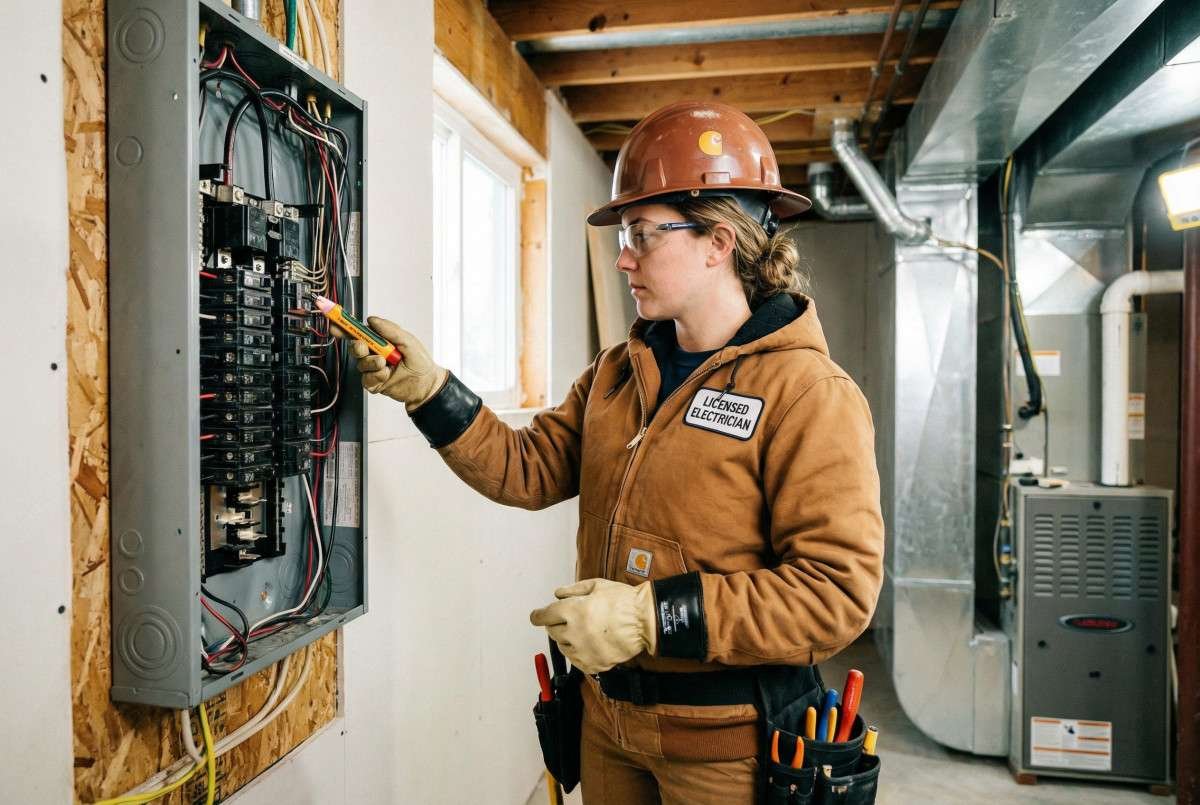
Over time, circuit breakers themselves can wear out, or electrical components like outlets, switches, and appliance wiring can degrade, leading to increased resistance or intermittent faults that cause frequent and seemingly random tripping.
Circuit breakers are mechanical devices that can weaken with age and repeated use, becoming more sensitive and tripping at lower current levels than their rating. Similarly, old or damaged wiring, loose connections, and worn-out electrical outlets can create intermittent faults that are difficult to pinpoint. According to the International Association of Electrical Inspectors (IAEI) (2020), regular electrical inspections are vital for identifying and mitigating risks associated with aging electrical systems [4].
If you suspect a faulty breaker or wiring, or if tripping occurs without an apparent overload, it is best to consult a licensed electrician. They can perform diagnostic tests to identify failing components and recommend necessary repairs or replacements, ensuring the long-term safety and reliability of your home’s electrical system.
How to Reset a Tripped Circuit Breaker
Resetting a tripped circuit breaker is a straightforward process, but it should always be done with caution.
- First, locate your home’s electrical panel, typically found in a basement, garage, or utility closet.
- Identify the tripped breaker, which will usually be in an “off” or middle position, distinct from the “on” position of other breakers.
- Before resetting, unplug any devices from the affected circuit to reduce the load.
- Firmly push the tripped breaker all the way to the “off” position, then immediately flip it back to the “on” position.
- If the breaker immediately trips again, do not attempt to reset it repeatedly; this indicates a persistent problem that requires professional attention.
Warning Signs of a Bad Circuit Breaker
Recognizing the signs of a failing circuit breaker can help prevent more serious electrical issues.
- Frequent tripping without an obvious cause, such as an overload.
- A burning smell emanating from the electrical panel.
- The breaker switch feels hot to the touch.
- Visible damage, such as scorch marks or discoloration, on the breaker or panel.
- Flickering lights or intermittent power loss on a specific circuit.
Comparison of Common Electrical Faults
Understanding the distinctions between common electrical faults can help in diagnosing the issue.
| Fault Type | Description | Common Causes | Immediate Action |
|---|---|---|---|
| Circuit Overload | Too many devices drawing excessive current on one circuit. | High-wattage appliances, too many devices plugged into one outlet. | Unplug devices, redistribute load. |
| Short Circuit | Hot wire contacts neutral or another hot wire, causing a surge. | Damaged wiring, faulty appliance cords, loose connections. | Unplug devices, call electrician. |
| Ground Fault | Hot wire contacts a grounded surface or ground wire. | Damaged appliance, wet conditions, faulty GFCI. | Unplug devices, test GFCI, call electrician. |
Why does my circuit breaker trip randomly?
Random tripping often points to a subtle or intermittent issue, such as loose wiring connections, a faulty appliance that occasionally draws too much power, or an aging circuit breaker that has become overly sensitive. It could also indicate a ground fault that is not consistently present.
Can a faulty appliance cause a circuit breaker to trip?
Yes, a faulty appliance is a common culprit. Internal wiring issues, damaged cords, or components within an appliance can create short circuits or ground faults, causing the breaker to trip as a protective measure. Unplugging the suspected appliance can help determine if it is the cause.
When should I call an electrician for a tripping breaker?
You should call an electrician if a breaker trips immediately after being reset, if tripping occurs frequently without an obvious cause, if you notice burning smells or scorch marks, or if you are unsure about the cause of the tripping. Professional diagnosis ensures safety and proper repair.
What is the difference between a circuit overload and a short circuit?
A circuit overload happens when too many devices demand more power than the circuit can safely provide, causing it to overheat. A short circuit, however, occurs when electrical current takes an unintended, low-resistance path, usually due to direct contact between wires, leading to a sudden surge and immediate trip.
Conclusion
Understanding the reasons behind a repeatedly tripping circuit breaker is vital for maintaining a safe and functional home electrical system. Whether it’s an overload from too many devices, a dangerous short circuit, a protective ground fault, or simply aging components, each scenario demands attention. Prioritizing safety by addressing these issues promptly, and seeking professional assistance when necessary, ensures the longevity of your electrical system and the well-being of your household.
References
- [1] Electrical Safety Foundation International (ESFI). (2023). Electrical Fire Statistics.
