The orientation of a house is a critical factor often overlooked by prospective homeowners and property managers, yet it profoundly impacts everything from natural light and energy efficiency to overall comfort and even property value says Keyrenter Overland Park team. Among the various orientations, the south-facing house frequently emerges in discussions, lauded for its potential to capture abundant sunlight. But is a south-facing house truly better for sunlight, and what implications does this have for daily living and long-term sustainability? This comprehensive guide delves into the nuances of solar orientation, exploring the distinct advantages and potential considerations associated with south-facing properties. We will examine how sunlight influences interior spaces, heating and cooling costs, and even the psychological well-being of occupants, providing a detailed perspective to help you make an informed decision about this significant aspect of home design and selection.
Understanding Solar Orientation and Its Impact
Solar orientation refers to the direction a building faces relative to the sun’s path. In the Northern Hemisphere, a south-facing facade receives the most direct sunlight throughout the day, particularly during the colder months when the sun is lower in the sky. This consistent exposure to solar radiation can significantly influence a home’s internal temperature, lighting, and energy consumption. Architects and designers have long leveraged this principle, incorporating passive solar design strategies to maximize natural light and heat gain, thereby reducing reliance on artificial lighting and mechanical heating systems. The angle and intensity of sunlight vary not only by the time of day but also by season, making a south-facing orientation particularly advantageous for capturing warmth when it’s most needed.
Beyond thermal considerations, solar orientation plays a crucial role in the aesthetic and functional aspects of a living space. Rooms that receive ample natural light tend to feel more spacious, inviting, and vibrant. This can enhance mood and productivity, contributing to a healthier indoor environment. Conversely, rooms with insufficient natural light may feel dim, cold, and less appealing, potentially requiring more artificial illumination and heating. Understanding the sun’s path relative to a property allows for strategic placement of windows, skylights, and outdoor living areas, optimizing both comfort and energy performance. For instance, large south-facing windows can be designed with appropriate overhangs to block high summer sun while allowing low winter sun to penetrate deeply into the home.
Benefits of Abundant Natural Light in South-Facing Homes
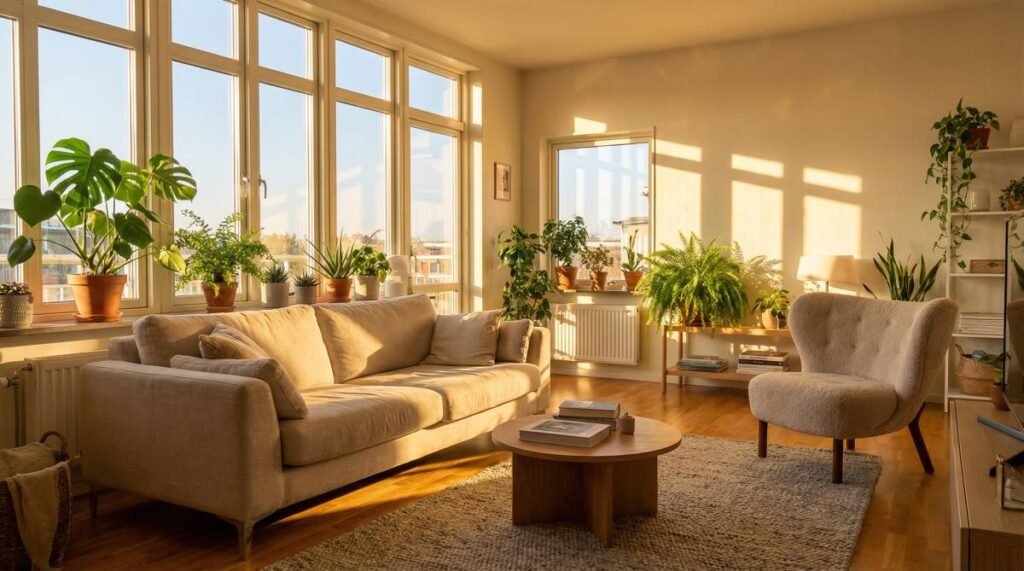
One of the most immediate and noticeable benefits of a south-facing house is the abundance of natural light it receives. Rooms on the south side of the home are typically bathed in sunlight for a significant portion of the day, creating bright and airy interiors. This natural illumination reduces the need for artificial lighting, leading to lower electricity bills and a more sustainable lifestyle. Beyond mere brightness, natural light has been shown to have numerous positive effects on human health and well-being. Exposure to natural light helps regulate circadian rhythms, improving sleep quality and boosting mood. It can also enhance cognitive function and reduce symptoms of seasonal affective disorder (SAD), making south-facing rooms particularly desirable for living areas, home offices, and bedrooms.
The quality of light in south-facing rooms is also distinct. It tends to be warmer and more consistent than light from other orientations, which can be harsh or fleeting. This steady influx of sunlight can make colors appear more vibrant and textures more pronounced, enriching the overall aesthetic of the interior. For plant enthusiasts, south-facing windows are ideal for cultivating a wide variety of indoor plants that thrive on direct sun exposure. Furthermore, the psychological benefits extend to a sense of openness and connection to the outdoors. The continuous presence of sunlight can make a home feel more welcoming and alive, fostering a positive atmosphere for residents and guests alike. This natural brightness contributes significantly to the perceived value and desirability of a property.
Energy Efficiency and Heating Advantages
The consistent solar gain in south-facing homes translates directly into significant energy efficiency benefits, particularly in regions with distinct cold seasons. During winter months, when the sun is lower in the sky, south-facing windows act as passive solar collectors, allowing sunlight to penetrate deep into the home and warm interior surfaces. This natural heating effect can substantially reduce the demand on conventional heating systems, leading to lower energy consumption and reduced utility costs. The thermal mass of a home’s structure (e.g., concrete floors, brick walls) can absorb and store this solar heat during the day, slowly releasing it back into the living spaces as temperatures drop in the evening, providing a more stable and comfortable indoor climate.
While the primary advantage is winter heating, careful design can mitigate potential overheating during summer. Strategic placement of eaves, awnings, or deciduous trees can shade south-facing windows from the high summer sun while still allowing winter sun to enter. This passive approach to climate control minimizes the need for air conditioning, further enhancing energy savings. The ability to harness the sun’s energy for heating is a cornerstone of sustainable building practices, contributing to a lower carbon footprint and increased environmental responsibility. For homeowners, this means not only financial savings but also a greater sense of self-sufficiency and reduced reliance on non-renewable energy sources, making south-facing properties an attractive option for those prioritizing long-term sustainability.
Potential Drawbacks and Mitigation Strategies
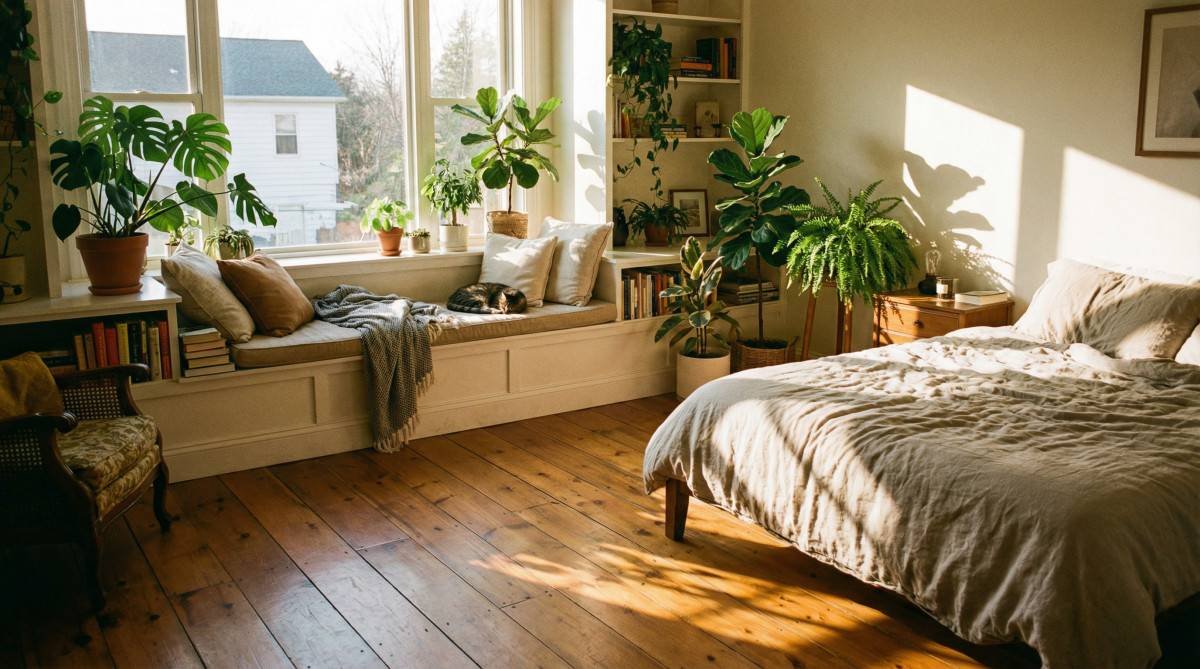
While south-facing homes offer numerous benefits, they are not without potential drawbacks that require careful consideration. The primary concern is the risk of overheating during the summer months, especially in warmer climates. The same abundant sunlight that provides warmth in winter can lead to excessive heat gain in summer, increasing the reliance on air conditioning and negating some of the energy efficiency advantages. This can result in higher cooling costs and reduced indoor comfort if not properly managed. Another issue can be glare, which can be intense in south-facing rooms, making it uncomfortable to read, watch television, or work on computers without appropriate window treatments.
Fortunately, these drawbacks can be effectively mitigated through thoughtful design and strategic interventions. External shading devices such as eaves, awnings, pergolas, and strategically planted deciduous trees can block the high summer sun while allowing the lower winter sun to penetrate. High-performance windows with low-emissivity (Low-E) coatings can reduce heat transfer without significantly compromising light transmission. Interior solutions like blinds, curtains, and drapes offer flexible control over light and glare. Furthermore, incorporating adequate ventilation, cross-ventilation, and ceiling fans can help dissipate heat. For homes in very hot climates, a slightly southeast or southwest orientation might be preferred to reduce peak solar gain while still benefiting from ample natural light, demonstrating that optimal orientation is often a balance of factors.
Designing and Landscaping for Optimal South-Facing Exposure
Maximizing the benefits of a south-facing home involves more than just its initial orientation; it requires intentional design and landscaping choices. For new constructions, architects can strategically place living areas and frequently used rooms on the south side to capitalize on natural light and warmth. Kitchens, dining rooms, and living rooms are often ideal candidates for south-facing exposure. Bedrooms, particularly those used primarily at night, might be better suited to east or west orientations to capture morning or evening light without excessive daytime heat. Open-plan layouts can further distribute natural light throughout the home, reducing dark corners and enhancing the overall sense of space.
Landscaping plays a crucial role in modulating the sun’s impact. Deciduous trees planted on the south side can provide natural shade during the summer when their leaves are full, then allow sunlight to filter through in winter after their leaves have fallen. Evergreen shrubs or hedges can be used to block harsh low-angle sun in specific areas if needed. For existing homes, retrofitting with external shading devices like retractable awnings or fixed overhangs can significantly improve comfort and energy performance. Light-colored exterior finishes can reflect solar radiation, reducing heat absorption, while interior finishes can be chosen to optimize light distribution and thermal mass. Thoughtful design and landscaping ensure that a south-facing home remains comfortable and energy-efficient year-round, truly harnessing the power of the sun.
Comparison: South-Facing vs. Other Orientations
| Feature | South-Facing | North-Facing | East-Facing | West-Facing |
|---|---|---|---|---|
| Natural Light | Abundant, consistent throughout the day, especially in winter. | Indirect, soft, consistent, but often dimmer. | Bright morning light, fades by afternoon. | Intense afternoon/evening light, can cause glare. |
| Passive Heating | Excellent in winter, significant solar gain. | Minimal to none, can feel colder. | Some morning warmth, limited overall. | Significant afternoon heat gain, can be problematic. |
| Cooling Needs | Moderate in summer, requires shading to prevent overheating. | Lower overall, but can feel damp/cold. | Moderate, morning sun can warm up quickly. | High in summer, intense afternoon heat. |
| Energy Efficiency | High potential for heating savings, moderate cooling. | Lower for heating, but stable cooling. | Variable, depends on morning sun management. | Challenging due to afternoon heat, higher cooling costs. |
| Glare Potential | Moderate, manageable with shading. | Low. | Moderate in morning. | High in afternoon/evening. |
| Plant Growth (Indoor) | Ideal for sun-loving plants. | Good for shade-loving plants. | Good for morning sun plants. | Challenging for most plants due to intense heat. |
Frequently Asked Questions About South-Facing Homes
Are south-facing houses always warmer?
South-facing houses tend to be warmer, especially during the winter months, due to direct and prolonged exposure to sunlight. This passive solar gain can significantly reduce heating needs. However, in summer, without proper shading and ventilation, they can become excessively hot, potentially increasing cooling costs. The overall warmth depends on climate, insulation, and design features.
What are the main advantages of a south-facing property?
The main advantages include abundant natural light, which reduces the need for artificial lighting and can improve mood and well-being. They also offer significant passive solar heating in winter, leading to lower energy bills. South-facing gardens often thrive, and the consistent light can make interiors feel more spacious and inviting.
What are the disadvantages of a south-facing house?
Potential disadvantages include overheating in summer if not properly shaded, leading to higher air conditioning costs. Intense glare can also be an issue, requiring effective window treatments. Additionally, direct sunlight can cause fading of furniture, flooring, and artwork over time if not protected.
How can I maximize the benefits of a south-facing home?
To maximize benefits, incorporate external shading like eaves, awnings, or deciduous trees to block summer sun. Use high-performance windows with Low-E coatings. Inside, utilize thermal mass materials (e.g., concrete, stone) to absorb and release heat. Strategic placement of living areas and effective ventilation also contribute to optimal performance.
Is a south-facing garden better?
Generally, a south-facing garden is considered highly desirable for gardening enthusiasts. It receives the most sunlight throughout the day, which is ideal for growing a wide variety of plants, vegetables, and flowers that require full sun. This leads to healthier, more productive gardens, though it may require more watering in hot climates.
Conclusion
In conclusion, the question of whether a south-facing house is better for sunlight is met with a resounding yes, albeit with important caveats. For homeowners and property managers in the Northern Hemisphere, a south-facing orientation offers unparalleled access to natural light and significant passive solar heating benefits, particularly during the colder months. These advantages translate into reduced energy consumption, lower utility bills, and a brighter, more inviting living environment that positively impacts occupant well-being. However, the intensity of summer sun necessitates thoughtful design and mitigation strategies, such as effective shading and ventilation, to prevent overheating and glare. By understanding the sun’s path and implementing appropriate architectural and landscaping solutions, the potential drawbacks of a south-facing property can be effectively managed, allowing residents to fully harness the sun’s energy for comfort, efficiency, and a superior quality of life. Ultimately, a well-designed south-facing home stands as a testament to intelligent building practices, offering a harmonious balance between natural elements and modern living.
