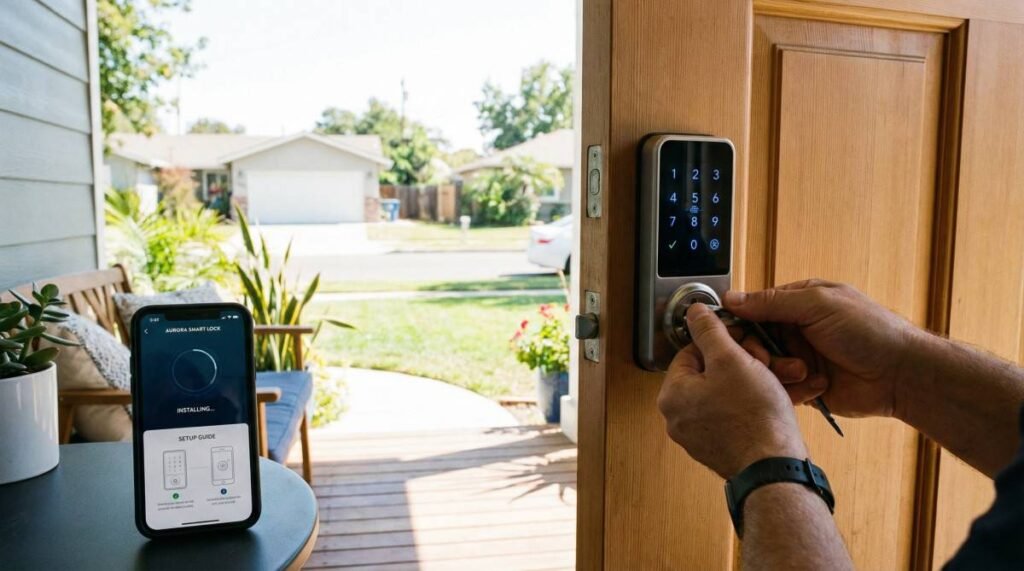
Smart locks represent a significant leap forward in home security and convenience, transforming traditional entryways into intelligent access points. These devices offer a blend of advanced technology, robust security features, and seamless integration with smart home ecosystems. For homeowners and property managers alike, understanding the nuances of smart lock installation is crucial to maximizing their benefits says Keyrenter, a leading property management Plano TX company. This guide will delve into the essential aspects of installing smart locks, from preparation and tool requirements to troubleshooting common issues, ensuring a secure and efficient setup.
Understanding Smart Lock Types and Compatibility
Before embarking on any installation, it is paramount to understand the various types of smart locks available and their compatibility with existing door hardware. Smart locks generally fall into a few categories: full replacement locks, which completely substitute your current deadbolt; retrofit locks, which attach to your existing deadbolt on the interior side; and lever or knob locks with integrated smart features. Each type has specific installation requirements and compatibility considerations.
Compatibility extends beyond the lock mechanism itself to the door’s specifications. Factors such as door thickness, backset measurement (the distance from the edge of the door to the center of the bore hole), and bore hole diameter are critical. Most smart locks are designed to fit standard door preparations, but variations can occur, especially in older homes or custom doors. It is essential to measure these dimensions accurately and compare them against the smart lock’s specifications before purchase. Failure to do so can lead to significant installation challenges or the need for costly modifications. Additionally, consider the type of existing deadbolt – single-cylinder, double-cylinder, or rim lock – as this will influence the choice of a compatible smart lock. Understanding these foundational elements ensures a smoother installation process and optimal performance of your new smart security system.
Full replacement smart locks offer the most comprehensive security and feature sets, often including integrated keypads, fingerprint readers, and advanced communication modules. Their installation typically involves removing the entire existing deadbolt assembly and replacing it with the new smart lock. This can be more involved but provides a clean, integrated look and often superior functionality. Retrofit smart locks, on the other hand, are designed for ease of installation, allowing you to retain your existing exterior hardware. This is particularly appealing for renters or those who prefer a less intrusive upgrade. However, their functionality might be slightly more limited compared to full replacement models, as they often rely on the existing deadbolt mechanism. Lever or knob smart locks are less common but offer an all-in-one solution for doors that do not have a separate deadbolt, such as interior doors or side entrances. Understanding these distinctions will guide your selection and prepare you for the specific installation steps involved.
Essential Tools and Preparation Steps
Proper preparation is key to a successful smart lock installation. Before you begin, gather all the necessary tools. While most smart locks come with their own set of specialized tools, a basic toolkit will be invaluable. This typically includes a Phillips head screwdriver, a flathead screwdriver, a tape measure, and potentially a drill with appropriate bits if any modifications to the door or frame are required. It is also advisable to have a pencil for marking, and a clean cloth for wiping down surfaces. Always refer to the manufacturer’s instructions, as they will specify any unique tools or requirements for your particular model.
Beyond gathering tools, a thorough pre-installation checklist is crucial. Start by carefully unboxing your smart lock and verifying that all components are present and accounted for against the packing list. Read the entire installation manual before starting, familiarizing yourself with each step. Next, assess your door and door frame. Check for any existing damage, loose screws, or misalignments that could impede the smart lock’s operation. Ensure the door closes and latches smoothly without binding. If there are any issues, address them before proceeding with the smart lock installation. This might involve tightening hinges, adjusting the strike plate, or even minor carpentry work. A well-prepared door provides a stable foundation for your new smart lock, preventing future operational problems.
Step-by-Step Installation Guide
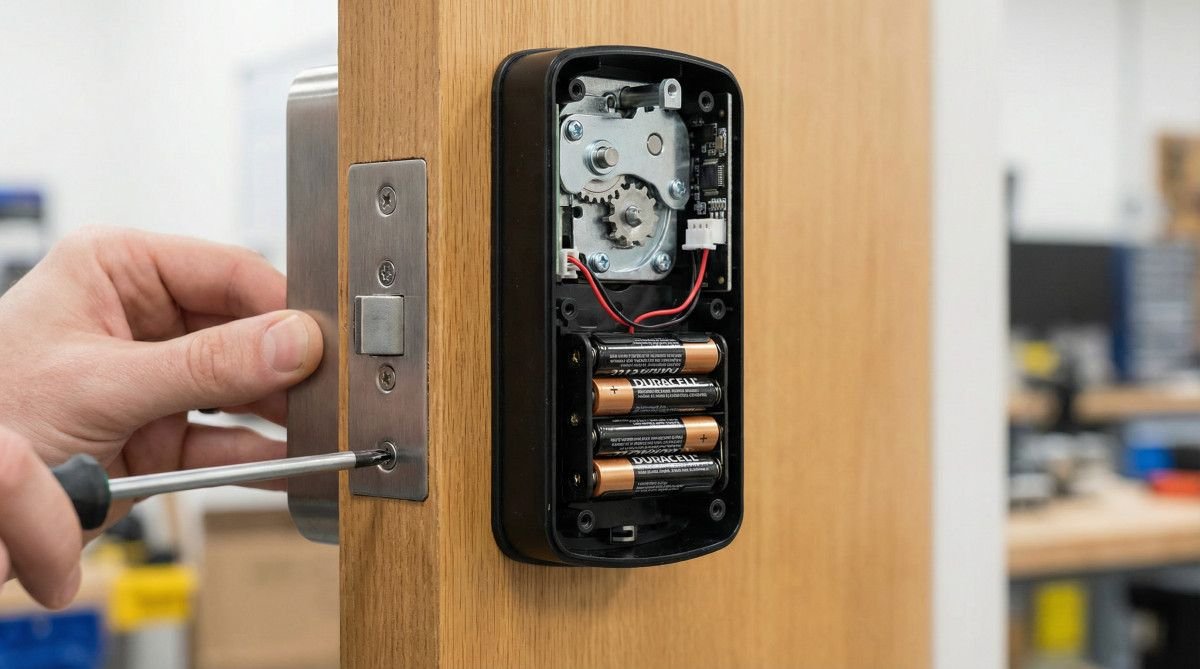
Installing a smart lock, while seemingly complex, can be a straightforward process if you follow the manufacturer’s instructions meticulously. While specific steps vary by model, the general procedure involves removing the old lock, installing the new deadbolt mechanism, attaching the exterior and interior assemblies, and finally, connecting the power source and configuring the smart features. Always start by turning off any power to the door if it’s an electrically wired lock, though most residential smart locks are battery-powered. Take your time with each step, ensuring components are aligned correctly and screws are tightened appropriately, but not overtightened, which could strip threads or damage the lock.
Even with careful planning, installation pitfalls can occur. One common issue is misalignment of the deadbolt with the strike plate, leading to difficulty in locking or unlocking. This can often be resolved by slightly adjusting the strike plate on the door frame. Another frequent problem is incorrect wiring or battery insertion, which can prevent the lock from powering on or communicating with your smart home system. Double-check all connections and ensure batteries are inserted with the correct polarity. Over-tightening screws is another mistake that can cause internal mechanisms to bind, leading to sluggish operation. Always follow the torque recommendations in the manual. Finally, rushing the calibration process can result in inaccurate lock/unlock detection. Take the time to perform the calibration steps precisely as instructed by the manufacturer to ensure optimal performance and reliability.
Integrating Smart Locks with Your Smart Home System
One of the primary advantages of smart locks is their ability to integrate seamlessly with existing smart home ecosystems. This integration allows for advanced functionalities such as remote access control, automated locking and unlocking based on presence detection, and synchronization with other smart devices like lighting and security cameras. The integration process typically involves pairing the smart lock with your smart home hub or a dedicated app. Most smart locks support popular protocols like Z-Wave, Zigbee, or Wi-Fi, making them compatible with a wide range of smart home platforms. Ensure your smart home hub is updated to the latest firmware to guarantee optimal compatibility and performance.
Once integrated, the possibilities for enhancing security and convenience are vast. You can set up automation routines, for example, to automatically lock your doors when you leave home and unlock them upon your return. Grant temporary access codes to guests or service providers, which can be revoked remotely at any time. Receive real-time notifications on your smartphone whenever the lock is engaged or disengaged, providing an extra layer of security monitoring. For property managers, this means streamlined tenant access, easier key management, and enhanced property security. Explore the full range of automation options offered by your smart lock and smart home platform to tailor your security setup to your specific needs and lifestyle.
Troubleshooting and Maintenance Tips
Even after a successful installation, smart locks may occasionally encounter issues. Common troubleshooting steps include checking battery levels, ensuring the lock is properly calibrated, and verifying its connection to your smart home network. If the lock is unresponsive, try replacing the batteries or performing a factory reset as per the manufacturer’s instructions. For connectivity issues, restart your smart home hub or Wi-Fi router. Sometimes, interference from other wireless devices can disrupt communication, so consider repositioning your hub or lock if problems persist. Regular maintenance is also crucial for extending the lifespan and ensuring the reliable operation of your smart lock.
Maintenance for smart locks primarily involves periodic checks and keeping the software up to date. Regularly inspect the lock for any signs of wear and tear, loose screws, or debris that might obstruct its mechanism. Clean the keypad or fingerprint reader with a soft, dry cloth to ensure optimal functionality. Most smart locks receive firmware updates that introduce new features, improve security, and fix bugs. It is highly recommended to install these updates promptly to maintain the lock’s performance and security posture. Always follow the manufacturer’s guidelines for performing updates, as an interrupted update can sometimes brick the device. Proactive maintenance ensures your smart lock remains a reliable component of your home security system.
Smart Lock Comparison Table
| Feature | Full Replacement Lock | Retrofit Lock | Lever/Knob Lock |
|---|---|---|---|
| Installation Complexity | Moderate to High | Low to Moderate | Moderate |
| Existing Hardware Retained | No | Yes (Exterior) | No |
| Security Level | High | Medium to High | Medium |
| Aesthetics | Integrated, Modern | Blends with Existing | Integrated |
| Cost | Higher | Medium | Medium |
| Ideal Use Case | New installations, full upgrade | Renters, minimal changes | Interior doors, side entrances |
Frequently Asked Questions About Smart Lock Installation
Can I install a smart lock myself, or do I need a professional?
Many smart locks are designed for DIY installation, especially retrofit models. If you are comfortable with basic tools and follow the manufacturer’s instructions carefully, you can likely install it yourself. However, for full replacement locks or if you encounter any difficulties, hiring a professional locksmith or smart home installer is recommended to ensure proper functionality and security.
How long do smart lock batteries typically last?
The battery life of a smart lock varies depending on usage, battery type, and features. On average, smart lock batteries can last anywhere from 6 months to 1 year. Locks with frequent usage, Wi-Fi connectivity, or advanced features like auto-locking may drain batteries faster. Most smart locks provide low battery warnings, allowing ample time for replacement.
Are smart locks secure against hacking or tampering?
Reputable smart lock brands employ robust encryption and security protocols to protect against hacking. While no system is entirely impervious, modern smart locks are designed with multiple layers of security, including tamper alarms and secure communication channels. Keeping firmware updated and using strong, unique passwords for your smart home system further enhances security.
What happens to a smart lock during a power outage?
Most residential smart locks are battery-powered, so a power outage will not affect their operation. They will continue to function normally. For smart locks that are hardwired or rely on a smart home hub for connectivity, a power outage might temporarily disrupt smart features like remote access. However, they typically retain mechanical key access or a backup battery to ensure you can still enter your home.
Can smart locks be installed on any type of door?
Smart locks are compatible with most standard doors, including wood, metal, and fiberglass. However, compatibility depends on factors like door thickness, backset, and bore hole diameter. It’s crucial to measure your door’s specifications and compare them with the smart lock’s requirements before purchase. Some specialized doors, like those with narrow stiles or unique locking mechanisms, may require specific smart lock models or professional modification.
Smart lock installation, while requiring attention to detail, is a rewarding upgrade that significantly enhances home security and convenience. By understanding the different types of locks, preparing adequately, following installation instructions, and integrating them effectively into your smart home, you can enjoy a more secure and intelligent living environment. Regular maintenance and prompt troubleshooting will ensure your smart lock continues to perform optimally for years to come, providing peace of mind and modern access control.
